Hidden Tile-Integrated Bathroom Exhaust Fans
-

 Vendor:EdPlitRegular price From ₴4,700Regular price
₴4,700Sale price From ₴4,700 -
 Vendor:EdPlitRegular price From ₴2,900Regular price
 -
 Vendor:EdPlitRegular price From ₴4,700Regular price


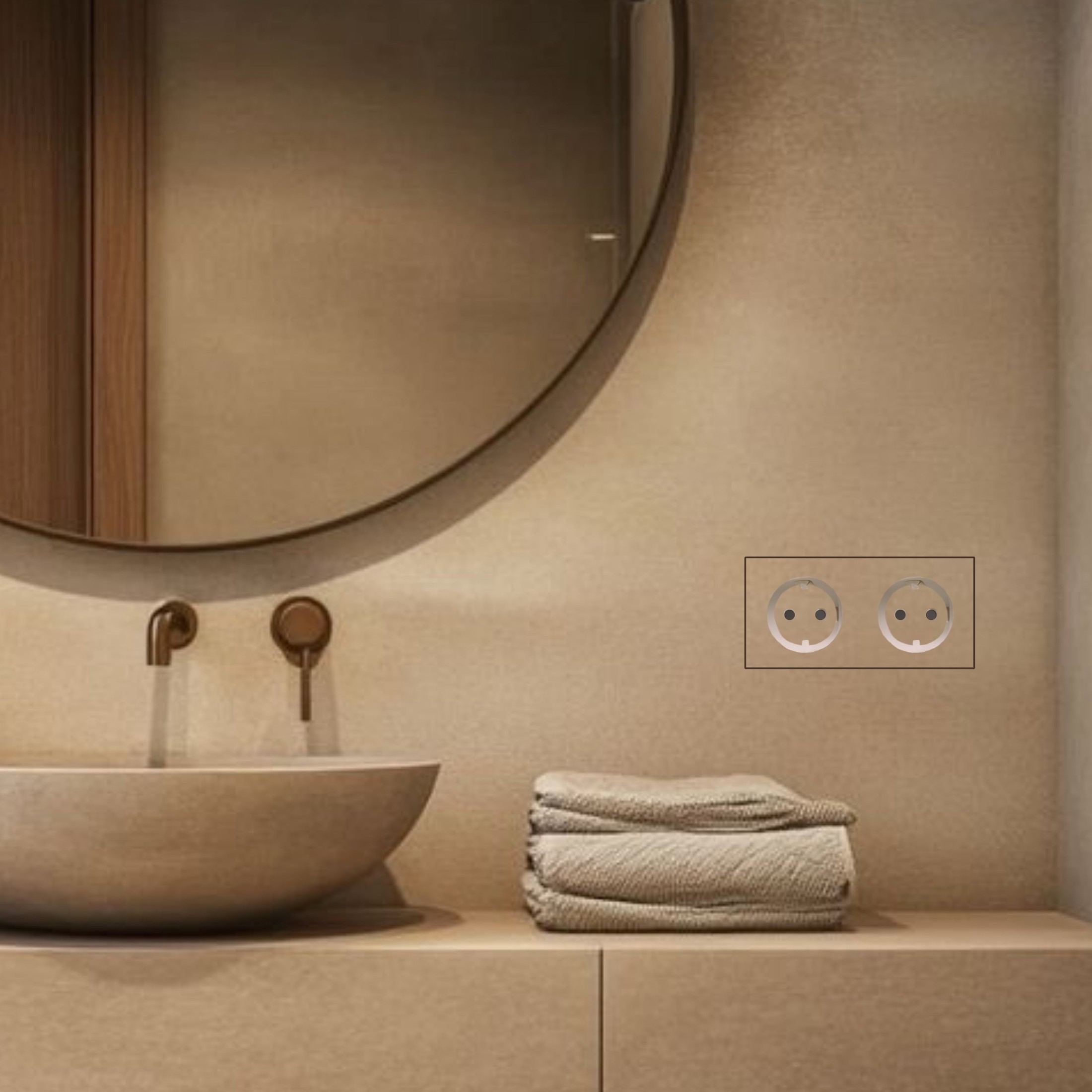
We at EDPLIT believe that true luxury lies in the details hidden from our eyes. In most high-end homes, plastic ventilation units often act as visual disruptions, breaking the harmony of the elite vibe. For believers in clean-lined luxury, plastic HVAC systems just fulfill a function. However, they don’t meet the standards of an upscaled design.
Fortunately for the perfectionist eye, we have a concealed bathroom fan. This concealed ventilation solution offers a sophisticated alternative where engineering meets high aesthetics.
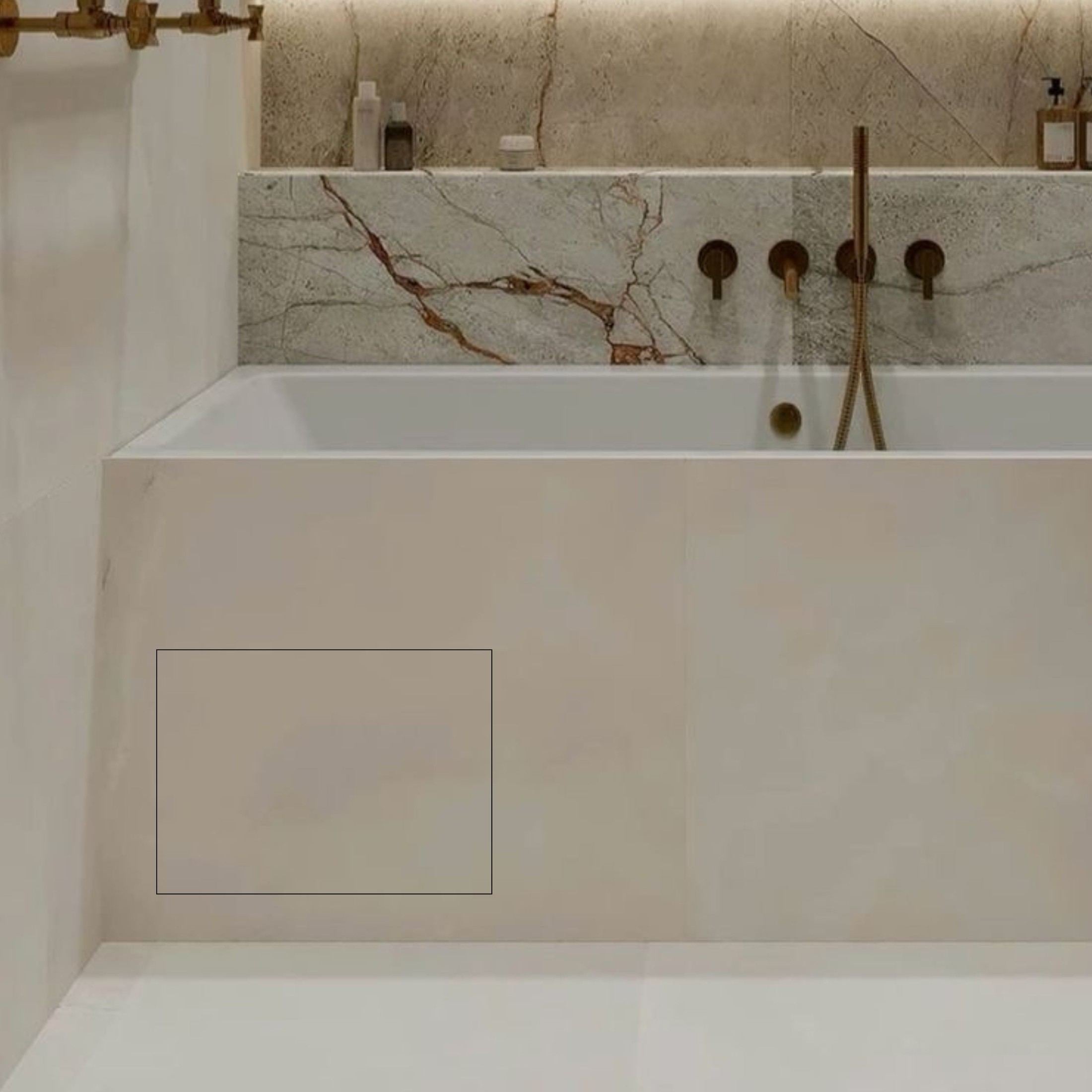
Designed for seamless integration, our innovative tileable exhaust fan allows for an uninterrupted tile surface. It blends flawlessly into the wall without compromising both interior aesthetic and extraction efficiency. By hiding the mechanism behind the wall finish (ceramic, stone, or porcelain), we ensure that your minimalist interior remains 100% pristine. The result is a high-performance, hidden bathroom exhaust fan that removes excess moisture from the air, while preserving the visual integrity of your space.
What Is a Tileable Exhaust Fan?
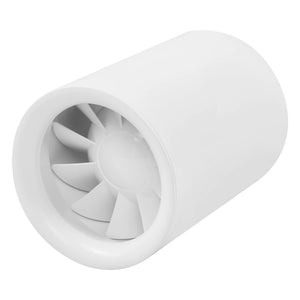
A concealed exhaust fan is a ventilation system designed to be hidden behind a wall finish (ceramic, porcelain, stone, or tile) rather than being fully visible, as with a traditional exhaust fan. We offer a design solution that hides a standard exhaust unit behind a finished wall surface. The concealed integration system includes a mounting frame, fixing hardware, fan locking components, tile alignment elements, adhesive templates, and precision cutting/sanding accessories required for seamless installation within tiled wall surfaces. What differs is the way the unit is integrated into the wall cavity and finished, so the visible surface is not a plastic cover, but ceramic, porcelain, stone, or tile.
When properly installed, the system preserves standard airflow and moisture extraction performance. The result is a pure aesthetic that does not change ventilation principles.
How Hidden Ventilation Works Behind Tiles
From an engineering point of view, a tileable exhaust fan operates on the same mechanical principles as a regular device. The difference lies in the installation method. Unlike traditional solutions, the unit is integrated into the tile finish, while still keeping the ventilation system fully functional.
Here’s how it works:
- The concealed bathroom fan unit sits inside the wall cavity (just in traditional systems).
- Using the adhesive template with guide lines and the tile cutting tools for hidden exhaust fan, one can do accurate and smooth cutting of the fragment of the wall finish.
- Then this fragment is mounted in front of the invisible exhaust fan.
Air flows through the narrow gaps around the panel, allowing the hidden exhaust fan to remove humidity, steam, odors, and moisture that can cause mold.
From the outside, you mostly see only the wall surface, not a typical plastic vent grille. In practice, this design creates a seamless tile-integrated look with the tiles, while the unit itself can be serviced anytime without damaging surrounding finishes.
How Hidden Ventilation Maintains Full Efficiency?
A hidden bathroom exhaust fan delivers the same airflow performance and moisture/odor extraction efficiency as a standard visible unit when properly installed according to technical requirements.
A bathroom fan in a tile wall works as effectively because concealment is about a mounting and finishing strategy, not a different ventilation system.
Yet it is the design that does the whole new trick in any EDPLIT product, whether it is a towel holder, a concealed bathroom extractor fan, or a hidden tiled access panel. It saves you from visual disruption and brings visual harmony, leaving the mechanism untouched in its operation.
Standard Fan VS Tile-Integrated Bathroom Exhaust Fan
The key difference between mass-produced and unique tile-integrated systems is in the architectural integration and airflow management, while the mechanism remains unchanged. The best choice for your home depends on the balance you seek between conventional utility and lavish design.
The table below provides a technical comparison of both camps:
|
Feature |
Standard Bathroom Exhaust Fan |
Tile-Integrated Bathroom Exhaust Fan |
|
Installation type |
Surface-mounted unit with an exposed external grille |
Concealed installation within the wall cavity, integrated behind the tile finish |
|
Visible Element |
Standard plastic or metal grille, often causing visual disruption |
No visible mechanical elements. You see only an uninterrupted tile surface |
|
Airflow Technology |
Air intake occurs directly through the perforations of the faceplate |
Innovative perimeter airflow technology: intake through engineered gaps around the tile panel |
|
Moisture Removal Efficiency |
Mechanical extraction via the duct system based on the fan CFM rating |
100% equivalent mechanical extraction efficiency via standard ductwork and ventilation systems |
|
Maintenance Access |
Direct access to the motor by removing the external plastic/metal cover |
Direct access via the removable tile-integrated panel for inspection and cleaning |
The verdict?
Both standard and tile-integrated solutions guarantee excellent ventilation when installed according to technical guidelines. While regular fans are all about functionality, the exhaust fans integrated into tile offer the next-level engineering solution for modern opulent interiors. We simply place the ventilation components inside the wall and use a hidden vent system to help you maintain a breathable, minimalist look.
The key advantage of the EDPLIT innovation is that it creates an uninterrupted tile surface without reducing airflow performance or moisture removal efficiency.
Whether it’s a hidden exhaust fan or a concealed electrical system for tiled walls, all EDPLIT products guarantee full mechanical functionality while maintaining refinement, comfort, and exclusivity so expected in luxe interiors. Choosing a concealed solution means creating an environment where technical requirements no longer decide the aesthetic.